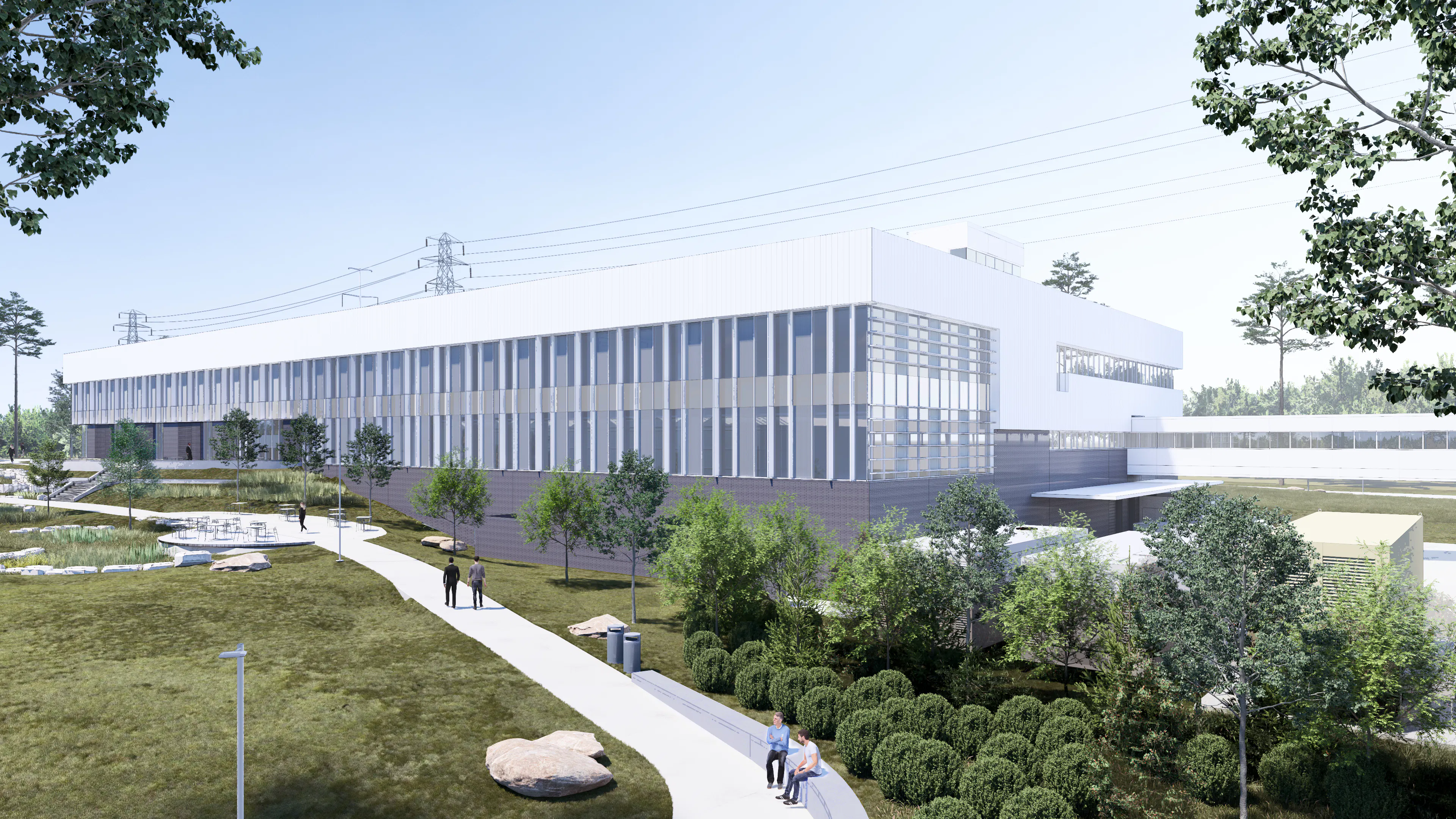
AIA CoVA x Seatack Pop-Up Park
For its third annual Pop-Up Park, AIA Coastal Virginia transformed Seatack Community Park in Virginia Beach into a vibrant celebration of one of the oldest African American communities in the United States. As AIA CoVA's largest outreach initiative, this year's effort highlights how architects can partner with local communities to shape spaces and enhance daily life through impactful design.


The event featured a full afternoon of activities, including STEAM activity stations for kids, a bounce house, food trucks, a fresh produce giveaway from Chapel Pantry, live music from the School of Rock, and line dancing by 757 No Limit Steppaz.
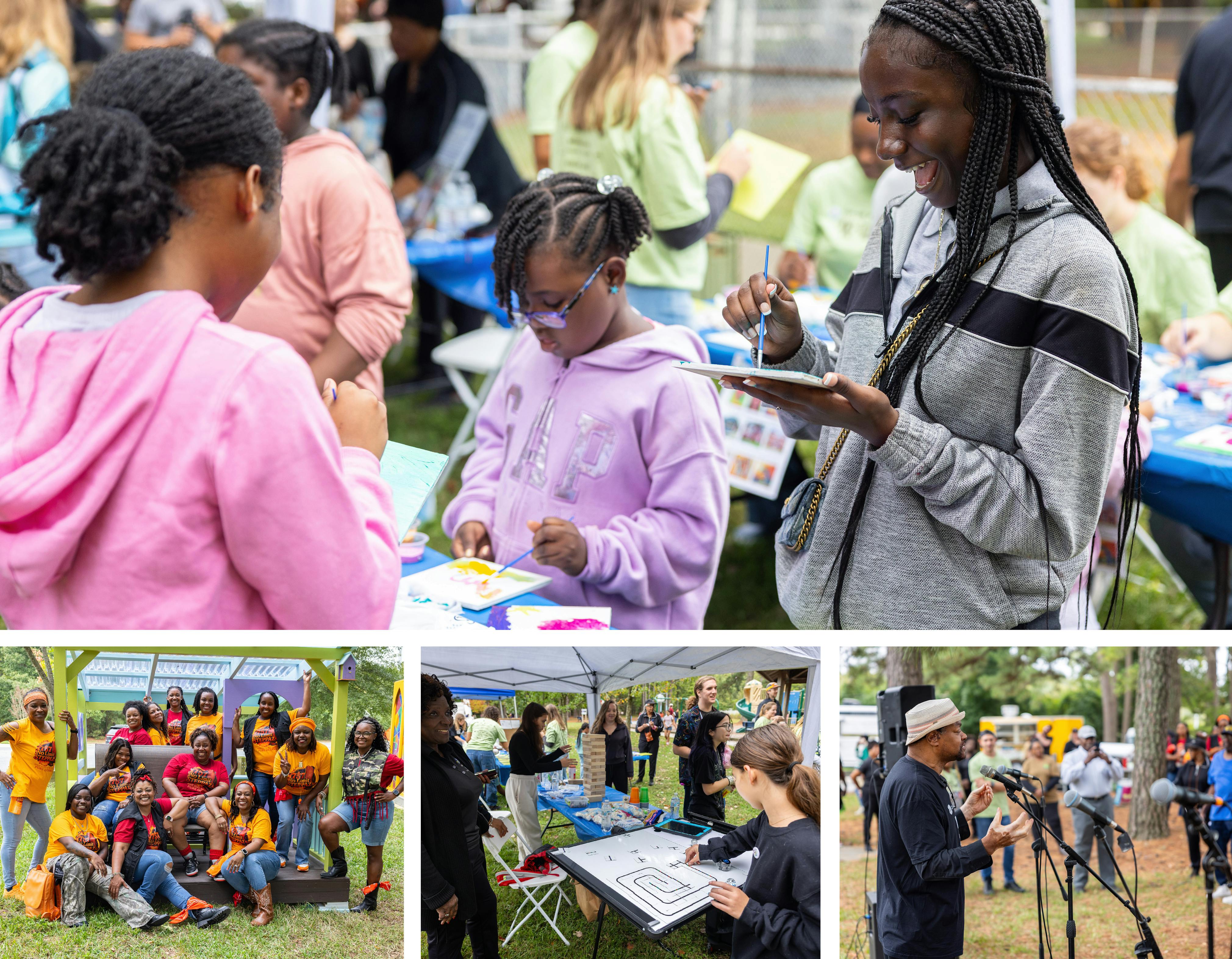
This year’s project was made possible through a valued partnership with the Seatack Civic League, MEB general contractors, 757 Makerspace, ViBe Creative District, VB Cultural Affairs, and VB Parks & Rec.
At a Glance:
- Four Custom Playhouses: A dedicated team of volunteers worked after hours and on weekends over the course of 4.5 months to design and build the playhouses, culminating in a community ribbon-cutting event
- $10K Investment: Secured a $10,000 Creative Neighborhoods Grant from VB Cultural Affairs which covered all material costs
- Record-Breaking Support: 200+ community members attended, alongside key supporters including Councilman Remick, the Seatack Civic League Board, and the VB Police Department
- Media Spotlight: A Virginian-Pilot preview story and an upcoming documentary short film currently in the works

Hanbury, alongside three other architecture firms, designed and built custom playhouses for the Pop-Up Park event. Each installation draws inspiration from a significant theme of Seatack’s history, identified by the Seatack Civic League Board (many of whom are legacy residents):
- Station 12: One of the nation's first African American-owned fire stations
- Historic Land Ownership: African American land ownership dating back to the 1800s
- Churches: The vital role of faith and community centers
- Art & Architecture: Celebrating Seatack's art and architectural heritage
The core design challenge was to tell the story of Seatack's history through a volunteer-built structure that would be a safe, engaging space for children.
Hanbury chose the theme of Historic Land Ownership and initially conceived a design using a series of arch frames arranged like pages of an opened book. This concept would have created a walkable timeline, allowing visitors to move through frames representing Seatack's past, present, and future, complete with interactive play elements, graphics, and maps illustrating changing land boundaries.
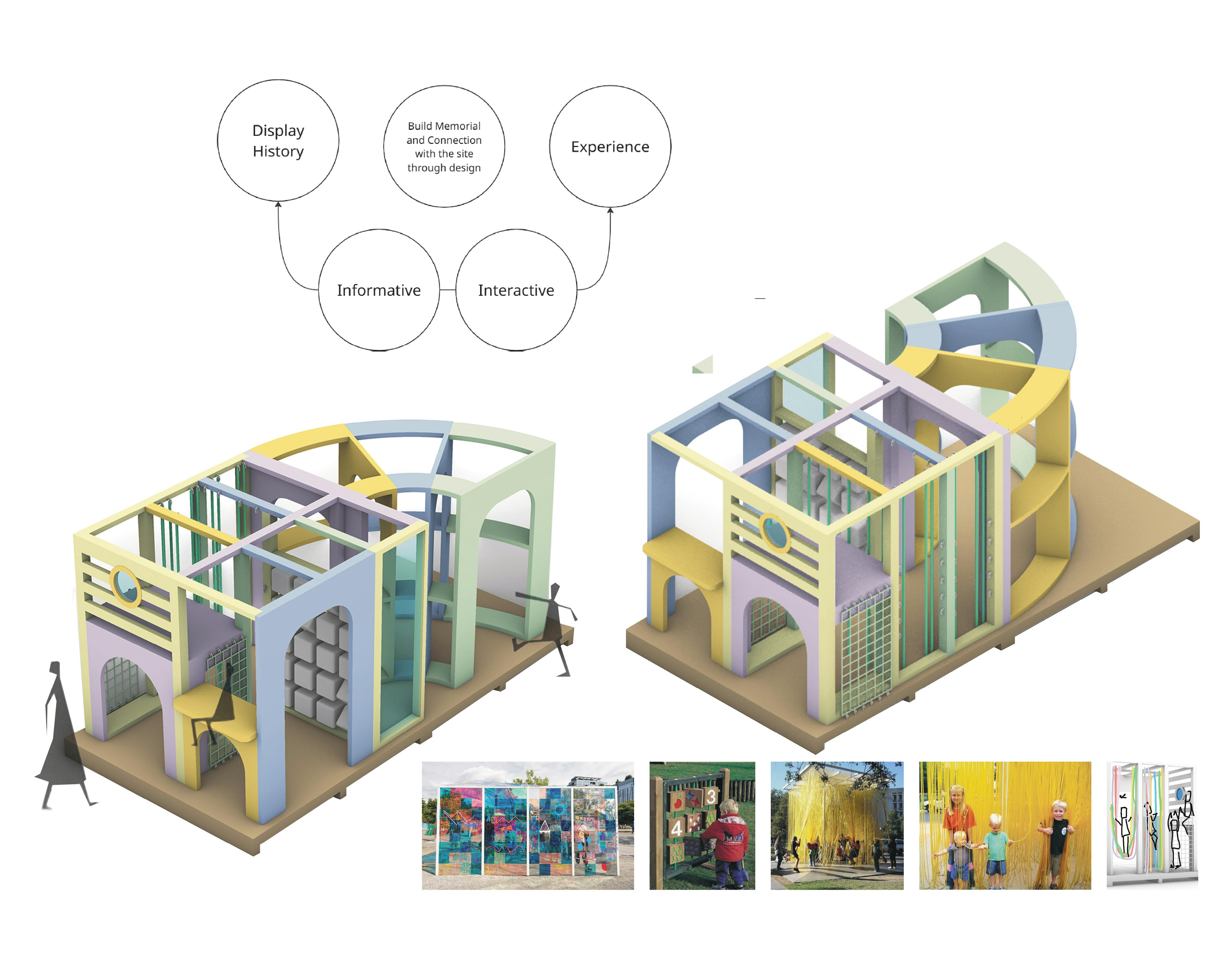
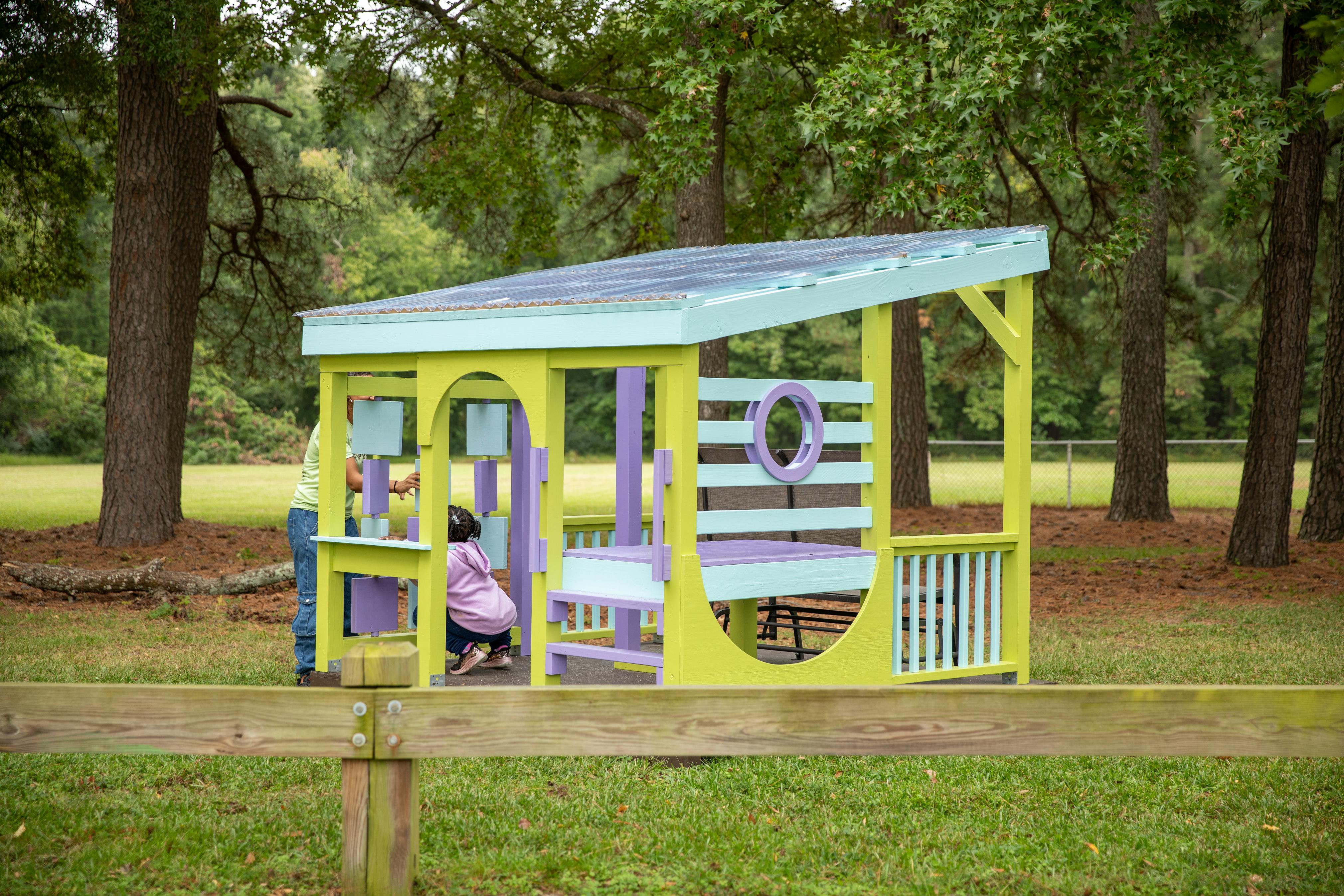
As the project developed, the design moved toward a simpler, more resonant concept. The final playhouse draws on the Southern tradition of front porch sitting, featuring a large covered porch and a gliding bench that serve as a direct extension of land ownership and neighborhood presence.

Historically, the front porch was a vital multipurpose space with particular significance within the close-knit, self-reliant African American community of Seatack. In addition to offering shade and relief during humid summers, porches served as an informal community living room, a stage for performing daily tasks, and a quiet display of identity and heritage for many modest homes.

Design choices focused on reinforcing the relationship between people and place. A lightweight timber frame structure and clear polycarbonate roof maximize openness and views to the land and sky. The roof rafters are painted haint blue, a color associated with mimicking water and sky, believed to ward off insects and provide spiritual protection. By inviting families to sit together on the porch, the playhouse conveys the deep ties between people, place, memory, and time.

Ultimately, the playhouses stand as vibrant proof of a community-powered effort to celebrate and preserve a critical part of Virginia Beach history. The playhouses currently reside at Organic Beginnings Montessori School in the ViBe Creative District.

By Tony Lin